
blog
November 15, 2021
The best programming languages for app development in 2022
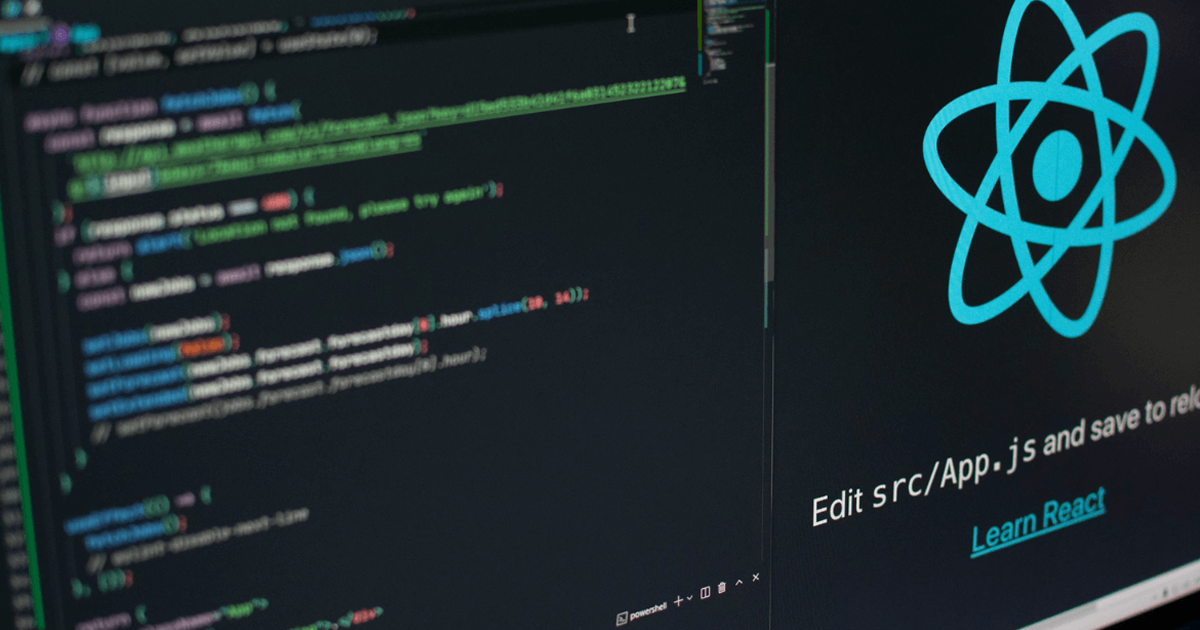
Which language is best for app development 2022?
Savvy Agile teams use specific terminology to describe their processes. Most of us know the basics. Some terms deserve a revisit, so that we ensure we are speaking about the same things. Today we will talk about a few terms used by software development teams to organize their Product Backlog Items (PBIs).
Read more on Product Backlog in Sprint Backlog vs Product Backlog: most important differences article.
Since different teams might adapt terms for their own needs, it’s important for us to define exactly what these terms mean. We need to have a common taxonomy in order to work together. So let’s talk about the meaning of Epic, Story and Tasks in Agile methodology. We’ll also give some concrete examples of each. Epic, Story and Task do not appear in the official Scrum Guide, but many teams today view them as invaluable tools in their process.
Software development teams use the terms Epic, Story and Task as part of the Scrum development process. In Scrum, teams tackle small parts of the larger project in time-boxed chunks called Sprints. They aim to complete the Sprint with new features and fixes, referred to as an Increment. Increments contain many items from the product backlog, known as Product Backlog Items, or PBIs. PBIs can be new features, enhancements or bug fixes. PBIs make up the foundation of the Sprint during Backlog Grooming. Teams use PBIs to map out their work.
What is the best programming language for app development?
Let's take a look at the best programming languages for app development.
1. JavaScript
According to Statista, JavaScript hold the #1 spot for app developers. 59% of developers report using JavaScript in the last twelve months. Many developers choose JavaScript because of its strength in cross-platform development. JavaScript comes in many flavors. It underlies many frameworks and libraries. Developers use JavaScript for many purposes. They often use JavaScript to create Progressive Web Apps (PWAs).
JavaScript Pros
- Fast
- Versatile and flexible
- Easy to use
JavaScript Cons
- Browser support varies
- Vulnerable to malicious use
- Scripting unpredictable at times
2. Python
Software developers use Python to create web and desktop applications. They also use Python for several other purposes, including network server administration. Python has many fans because of Python’s library support, easy integration and interactive controls. Many start-ups choose Python. Python works best for creating Hybrid and cross-platform applications.
Python Pros
- Fast, easy to learn
- Supports many operating systems
- Many frameworks available
Python Cons
- Not great with tasks that require a lot of memory
- Slow to execute
- Data access issues
You might be also interested in: Web development vs app development: What to choose for your business
3. Swift
Software developers use Swift to create apps for iOS. Swift is open-source. Developers love Swift because of Swift’s flexibility and scalability. Apple released Swift in 2014 as a language and made it available for mobile application development a year later. Going forward, Apple has signalled that Swift is the preferred language for coding apps for iOS.
Swift Pros
- Works on Cocoa and Cocoa Touch platforms
- Easy scalability
- Concise syntax
- Fast
- Less buggy than Objective C
Swift Cons
- Fairly new and untested compared to Objective C
- Requires frequent updates
4. Java
Software developers use Java as a server-side language and for creating Android apps. Java is an object-oriented language. Java has many open-source libraries. Many developers also use Java to create cross-platform and PWAs. Many developers consider Java the go-to language for Android development. Sun Microsystems initially developed Java in 1995, Oracle currently owns Java. Java uses bytecode that Java Virtual Machine interprets at runtime.
Java Pros
- Code is reusable and portable
- Works on the widest variety of devices
- Flexible and versatile
Java Cons
- Java Virtual Machine has some bugs
- Class syntax and libraries have writing issues
- Complex to implement
5. Kotlin
Google announced in 2017 that they would support Kotlin for Android application development. Kotlin is open-source and uses Java bytecode, libraries and Virtual Machine. You can think of Kotlin as a refined version of Java. Kotlin works a bit more slowly than Java, but Kotlin does have native support. Many Android IDEs work with Kotlin as well.
Kotlin Pros
- Clear and concise language
- Allows for functional programming
- Large community of users, good support
Kotlin Cons
- Relatively new
- Slower than Java
- Limited learning resources
6. Dart
Google created Dart in 2011 as an open-source and object-oriented programming language. Software developers use Dart for both client-side and server-side programming. Dart uses a C-style syntax. Developers use Dart to create both Native and cross-platform applications.
Dart Pros
- Easy to learn
- Code works for both web and mobile applications
- Large community of users, good support
Dart Cons
- Requires writing sub and generic domain packages
- Not strong on backend/server side
Read also: App development cost breakdown in 2022
7. SQL
Software developers use SQL (Structured Query Language) to manage relational databases. SQL became the go-to programming language for relational databases as early as the 1970s. SQL manages and performs many operations on relational databases. SQL meets both ANSI and ISO standards. Many enterprise users choose SQL for this reason. SQL works to create all kinds of apps, from native to PWAs.
SQL Pros
- Powerful and popular
- Handles large number of transactions in a single query
- Fast at data retrieval
- Data highly available and consistent
SQL Cons
- Complex and difficult to add code
- Inflexible
- Only scales vertically
- Difficult to convert data from objects into tables
8. Ruby on Rails
Ruby works in the back end as an object-oriented scripting language. Developers use Ruby to create web applications, administrate servers and create standard libraries. Ruby has evolved to serve many purposes over the years. Ruby directly executes instructions instead of compiling into machine language. Developers use Ruby to create all kinds of apps, especially cross-platform applications.
Ruby Pros
- Supports dynamic input
- Easy to maintain
- Intuitive syntax
- Easy to learn
Ruby Cons
- Slower than other popular languages
- Not flexible
- Updates and bug fixes slow to release
Learn more from our insights











© 2026 Blocshop s.r.o. All rights reserved.



blog
November 15, 2021
The best programming languages for app development in 2022
Which language is best for app development 2022?
Savvy Agile teams use specific terminology to describe their processes. Most of us know the basics. Some terms deserve a revisit, so that we ensure we are speaking about the same things. Today we will talk about a few terms used by software development teams to organize their Product Backlog Items (PBIs).
Read more on Product Backlog in Sprint Backlog vs Product Backlog: most important differences article.
Since different teams might adapt terms for their own needs, it’s important for us to define exactly what these terms mean. We need to have a common taxonomy in order to work together. So let’s talk about the meaning of Epic, Story and Tasks in Agile methodology. We’ll also give some concrete examples of each. Epic, Story and Task do not appear in the official Scrum Guide, but many teams today view them as invaluable tools in their process.
Software development teams use the terms Epic, Story and Task as part of the Scrum development process. In Scrum, teams tackle small parts of the larger project in time-boxed chunks called Sprints. They aim to complete the Sprint with new features and fixes, referred to as an Increment. Increments contain many items from the product backlog, known as Product Backlog Items, or PBIs. PBIs can be new features, enhancements or bug fixes. PBIs make up the foundation of the Sprint during Backlog Grooming. Teams use PBIs to map out their work.
What is the best programming language for app development?
Let's take a look at the best programming languages for app development.
1. JavaScript
According to Statista, JavaScript hold the #1 spot for app developers. 59% of developers report using JavaScript in the last twelve months. Many developers choose JavaScript because of its strength in cross-platform development. JavaScript comes in many flavors. It underlies many frameworks and libraries. Developers use JavaScript for many purposes. They often use JavaScript to create Progressive Web Apps (PWAs).
JavaScript Pros
- Fast
- Versatile and flexible
- Easy to use
JavaScript Cons
- Browser support varies
- Vulnerable to malicious use
- Scripting unpredictable at times
2. Python
Software developers use Python to create web and desktop applications. They also use Python for several other purposes, including network server administration. Python has many fans because of Python’s library support, easy integration and interactive controls. Many start-ups choose Python. Python works best for creating Hybrid and cross-platform applications.
Python Pros
- Fast, easy to learn
- Supports many operating systems
- Many frameworks available
Python Cons
- Not great with tasks that require a lot of memory
- Slow to execute
- Data access issues
You might be also interested in: Web development vs app development: What to choose for your business
3. Swift
Software developers use Swift to create apps for iOS. Swift is open-source. Developers love Swift because of Swift’s flexibility and scalability. Apple released Swift in 2014 as a language and made it available for mobile application development a year later. Going forward, Apple has signalled that Swift is the preferred language for coding apps for iOS.
Swift Pros
- Works on Cocoa and Cocoa Touch platforms
- Easy scalability
- Concise syntax
- Fast
- Less buggy than Objective C
Swift Cons
- Fairly new and untested compared to Objective C
- Requires frequent updates
4. Java
Software developers use Java as a server-side language and for creating Android apps. Java is an object-oriented language. Java has many open-source libraries. Many developers also use Java to create cross-platform and PWAs. Many developers consider Java the go-to language for Android development. Sun Microsystems initially developed Java in 1995, Oracle currently owns Java. Java uses bytecode that Java Virtual Machine interprets at runtime.
Java Pros
- Code is reusable and portable
- Works on the widest variety of devices
- Flexible and versatile
Java Cons
- Java Virtual Machine has some bugs
- Class syntax and libraries have writing issues
- Complex to implement
5. Kotlin
Google announced in 2017 that they would support Kotlin for Android application development. Kotlin is open-source and uses Java bytecode, libraries and Virtual Machine. You can think of Kotlin as a refined version of Java. Kotlin works a bit more slowly than Java, but Kotlin does have native support. Many Android IDEs work with Kotlin as well.
Kotlin Pros
- Clear and concise language
- Allows for functional programming
- Large community of users, good support
Kotlin Cons
- Relatively new
- Slower than Java
- Limited learning resources
6. Dart
Google created Dart in 2011 as an open-source and object-oriented programming language. Software developers use Dart for both client-side and server-side programming. Dart uses a C-style syntax. Developers use Dart to create both Native and cross-platform applications.
Dart Pros
- Easy to learn
- Code works for both web and mobile applications
- Large community of users, good support
Dart Cons
- Requires writing sub and generic domain packages
- Not strong on backend/server side
Read also: App development cost breakdown in 2022
7. SQL
Software developers use SQL (Structured Query Language) to manage relational databases. SQL became the go-to programming language for relational databases as early as the 1970s. SQL manages and performs many operations on relational databases. SQL meets both ANSI and ISO standards. Many enterprise users choose SQL for this reason. SQL works to create all kinds of apps, from native to PWAs.
SQL Pros
- Powerful and popular
- Handles large number of transactions in a single query
- Fast at data retrieval
- Data highly available and consistent
SQL Cons
- Complex and difficult to add code
- Inflexible
- Only scales vertically
- Difficult to convert data from objects into tables
8. Ruby on Rails
Ruby works in the back end as an object-oriented scripting language. Developers use Ruby to create web applications, administrate servers and create standard libraries. Ruby has evolved to serve many purposes over the years. Ruby directly executes instructions instead of compiling into machine language. Developers use Ruby to create all kinds of apps, especially cross-platform applications.
Ruby Pros
- Supports dynamic input
- Easy to maintain
- Intuitive syntax
- Easy to learn
Ruby Cons
- Slower than other popular languages
- Not flexible
- Updates and bug fixes slow to release
Learn more from our insights

Talk to sales

© 2026 Blocshop s.r.o. All rights reserved.
blog
November 15, 2021
The best programming languages for app development in 2022
Which language is best for app development 2022?
Savvy Agile teams use specific terminology to describe their processes. Most of us know the basics. Some terms deserve a revisit, so that we ensure we are speaking about the same things. Today we will talk about a few terms used by software development teams to organize their Product Backlog Items (PBIs).
Read more on Product Backlog in Sprint Backlog vs Product Backlog: most important differences article.
Since different teams might adapt terms for their own needs, it’s important for us to define exactly what these terms mean. We need to have a common taxonomy in order to work together. So let’s talk about the meaning of Epic, Story and Tasks in Agile methodology. We’ll also give some concrete examples of each. Epic, Story and Task do not appear in the official Scrum Guide, but many teams today view them as invaluable tools in their process.
Software development teams use the terms Epic, Story and Task as part of the Scrum development process. In Scrum, teams tackle small parts of the larger project in time-boxed chunks called Sprints. They aim to complete the Sprint with new features and fixes, referred to as an Increment. Increments contain many items from the product backlog, known as Product Backlog Items, or PBIs. PBIs can be new features, enhancements or bug fixes. PBIs make up the foundation of the Sprint during Backlog Grooming. Teams use PBIs to map out their work.
What is the best programming language for app development?
Let's take a look at the best programming languages for app development.
1. JavaScript
According to Statista, JavaScript hold the #1 spot for app developers. 59% of developers report using JavaScript in the last twelve months. Many developers choose JavaScript because of its strength in cross-platform development. JavaScript comes in many flavors. It underlies many frameworks and libraries. Developers use JavaScript for many purposes. They often use JavaScript to create Progressive Web Apps (PWAs).
JavaScript Pros
- Fast
- Versatile and flexible
- Easy to use
JavaScript Cons
- Browser support varies
- Vulnerable to malicious use
- Scripting unpredictable at times
2. Python
Software developers use Python to create web and desktop applications. They also use Python for several other purposes, including network server administration. Python has many fans because of Python’s library support, easy integration and interactive controls. Many start-ups choose Python. Python works best for creating Hybrid and cross-platform applications.
Python Pros
- Fast, easy to learn
- Supports many operating systems
- Many frameworks available
Python Cons
- Not great with tasks that require a lot of memory
- Slow to execute
- Data access issues
You might be also interested in: Web development vs app development: What to choose for your business
3. Swift
Software developers use Swift to create apps for iOS. Swift is open-source. Developers love Swift because of Swift’s flexibility and scalability. Apple released Swift in 2014 as a language and made it available for mobile application development a year later. Going forward, Apple has signalled that Swift is the preferred language for coding apps for iOS.
Swift Pros
- Works on Cocoa and Cocoa Touch platforms
- Easy scalability
- Concise syntax
- Fast
- Less buggy than Objective C
Swift Cons
- Fairly new and untested compared to Objective C
- Requires frequent updates
4. Java
Software developers use Java as a server-side language and for creating Android apps. Java is an object-oriented language. Java has many open-source libraries. Many developers also use Java to create cross-platform and PWAs. Many developers consider Java the go-to language for Android development. Sun Microsystems initially developed Java in 1995, Oracle currently owns Java. Java uses bytecode that Java Virtual Machine interprets at runtime.
Java Pros
- Code is reusable and portable
- Works on the widest variety of devices
- Flexible and versatile
Java Cons
- Java Virtual Machine has some bugs
- Class syntax and libraries have writing issues
- Complex to implement
5. Kotlin
Google announced in 2017 that they would support Kotlin for Android application development. Kotlin is open-source and uses Java bytecode, libraries and Virtual Machine. You can think of Kotlin as a refined version of Java. Kotlin works a bit more slowly than Java, but Kotlin does have native support. Many Android IDEs work with Kotlin as well.
Kotlin Pros
- Clear and concise language
- Allows for functional programming
- Large community of users, good support
Kotlin Cons
- Relatively new
- Slower than Java
- Limited learning resources
6. Dart
Google created Dart in 2011 as an open-source and object-oriented programming language. Software developers use Dart for both client-side and server-side programming. Dart uses a C-style syntax. Developers use Dart to create both Native and cross-platform applications.
Dart Pros
- Easy to learn
- Code works for both web and mobile applications
- Large community of users, good support
Dart Cons
- Requires writing sub and generic domain packages
- Not strong on backend/server side
Read also: App development cost breakdown in 2022
7. SQL
Software developers use SQL (Structured Query Language) to manage relational databases. SQL became the go-to programming language for relational databases as early as the 1970s. SQL manages and performs many operations on relational databases. SQL meets both ANSI and ISO standards. Many enterprise users choose SQL for this reason. SQL works to create all kinds of apps, from native to PWAs.
SQL Pros
- Powerful and popular
- Handles large number of transactions in a single query
- Fast at data retrieval
- Data highly available and consistent
SQL Cons
- Complex and difficult to add code
- Inflexible
- Only scales vertically
- Difficult to convert data from objects into tables
8. Ruby on Rails
Ruby works in the back end as an object-oriented scripting language. Developers use Ruby to create web applications, administrate servers and create standard libraries. Ruby has evolved to serve many purposes over the years. Ruby directly executes instructions instead of compiling into machine language. Developers use Ruby to create all kinds of apps, especially cross-platform applications.
Ruby Pros
- Supports dynamic input
- Easy to maintain
- Intuitive syntax
- Easy to learn
Ruby Cons
- Slower than other popular languages
- Not flexible
- Updates and bug fixes slow to release
Learn more from our insights


© 2026 Blocshop s.r.o. All rights reserved.